You may be using peppermint essential oil after a heavy meal or a few drops of oregano during the winter season. These gestures seem harmless. The liver, however, processes every molecule that enters through the oral route, and some of these aromatic molecules can directly harm it.
Essential oils are concentrated plant extracts whose potency is often underestimated. Their hepatic toxicity is not fictional: it depends on the chemical composition, the dose, the duration of exposure, and especially the state of the liver at the time of ingestion.
Hepatotoxic molecules in essential oils: which ones are problematic
Not all essential oils threaten the liver in the same way. The risk is concentrated on a few well-identified families of molecules. Phenols are at the forefront: carvacrol (oregano, savory), eugenol (clove, cinnamon), and thymol (some thymes) interfere with liver enzymes when absorbed in quantity or over a long period.
Other compounds pose a different problem. Pulegone, found in pennyroyal, is associated with severe liver damage even at relatively modest doses orally. Camphor and methyl salicylate (wintergreen) complete this list of substances to monitor closely.
To better understand the impact of essential oils on the liver, it should be noted that the danger rarely comes from diluted topical application. It is oral ingestion, because it directly exposes the liver to the first hepatic pass, that concentrates the majority of reported cases.
Fragile liver and essential oils: distinguishing theoretical risk from documented risk
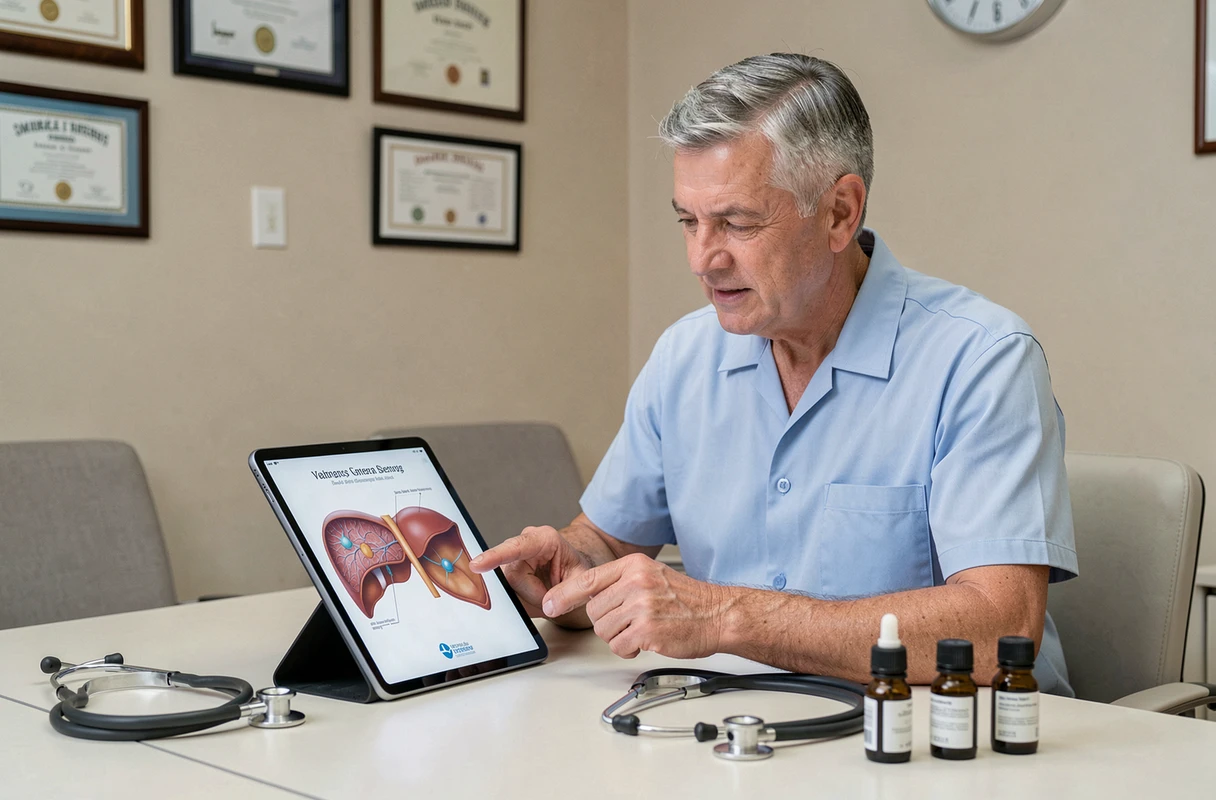
You may have noticed that bottles of essential oils often carry the label “not recommended in case of liver disease”? This precaution is not just a legal umbrella. It is based on real clinical reports, even if the cases remain infrequent.
Liver damage related to essential oils is almost always associated with misuse: self-medication orally without professional advice, excessive doses, treatments lasting several weeks without breaks, or use in someone already on heavy medication.
When the context of exposure changes everything
A healthy liver metabolizes most of these molecules without visible harm, provided that short dosages are respected. The situation complicates when the liver is already stressed by something else.
- A person on a hepatotoxic medication (high-dose paracetamol, certain antibiotics, statins) adds to the aggression if they also take an oil rich in phenols orally.
- Regular alcohol consumption weakens hepatocytes and reduces the liver’s ability to neutralize pulegone or eugenol.
- A pre-existing liver disease (cirrhosis, hepatitis, advanced steatosis) decreases the stock of detoxification enzymes, making the liver vulnerable to doses that would be harmless in a healthy person.
The real clinical question is therefore not “is this oil toxic?”, but “in what context does this oil become dangerous?” The answer varies considerably from person to person.
List of essential oils with hepatic risk when taken orally
Rather than an exhaustive inventory, here are the oils that most frequently appear in the literature on hepatic toxicity, along with the specific reasons for their danger.
| Essential Oil | Problematic Molecule | Main Precaution |
|---|---|---|
| Compact Oregano | Carvacrol (phenol) | Never more than a few days orally, always with a carrier oil |
| Mountain Savory | Carvacrol | Same precaution as oregano, avoid in case of liver fragility |
| Ceylon Cinnamon (bark) | Eugenol, cinnamaldehyde | Short oral use, contraindicated in case of liver disease |
| Clove | Eugenol | Limited oral intake, never long-term |
| Pennyroyal | Pulegone | To be avoided internally, even in a healthy person |
| Wintergreen | Methyl salicylate | Oral route not recommended, interaction with anticoagulants |
This table does not mean that these oils are unusable. In diffusion or very diluted topical application in a carrier oil, the hepatic passage is limited. It is the unregulated internal intake that concentrates the real risk.
Reducing hepatic risk: concrete reflexes
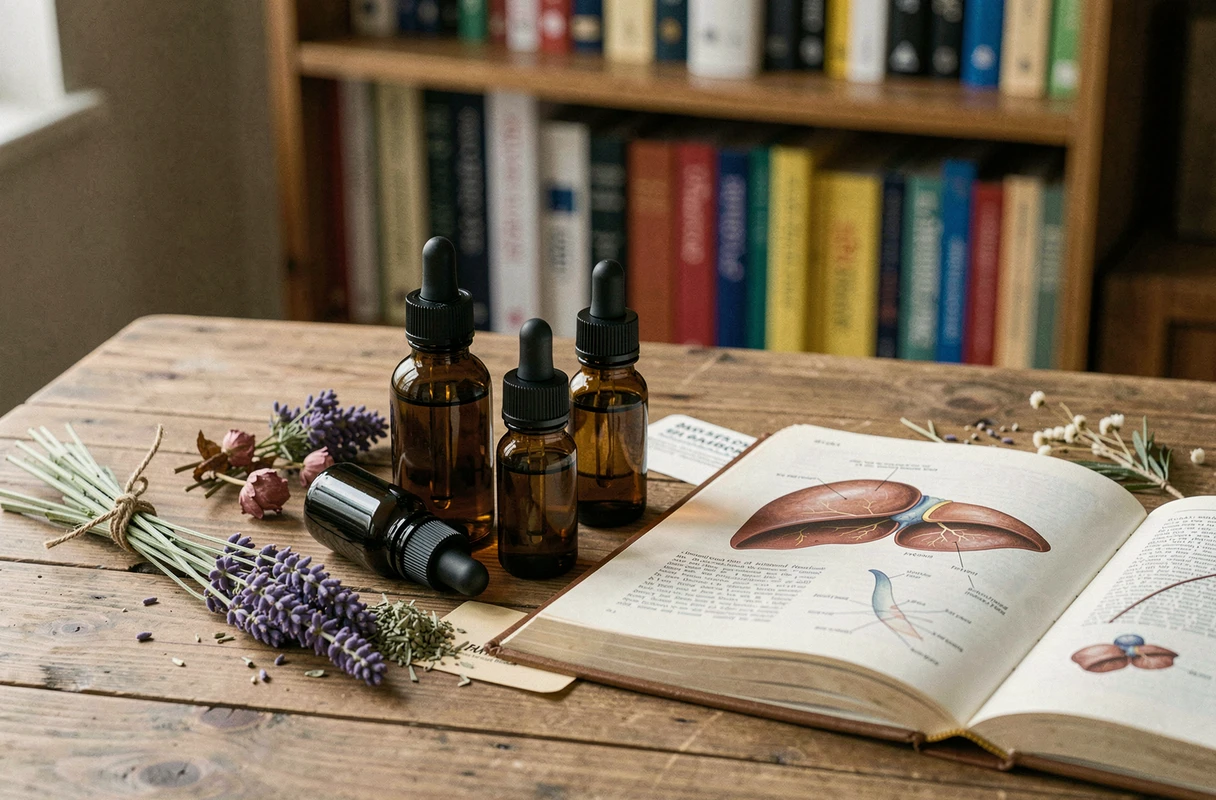
The dose makes the poison, Paracelsus used to say. With essential oils, the duration of use is as important as the dose. A three-day oregano treatment for a specific infectious episode does not stress the liver like a daily intake for a month.
Three rules to apply systematically
Before any oral intake of essential oil, check that the internal route is explicitly authorized for that oil. This information is found on the technical sheets of reputable suppliers.
Anyone on medication should consult a professional before adding an essential oil orally. Drug interactions are not trivial: some aromatic molecules alter the activity of cytochrome P450 enzymes, the same system the liver uses to metabolize most medications.
In case of known liver pathology, the simplest precaution is to favor routes of use that bypass the liver: atmospheric diffusion, diluted topical application on a limited area. The aromatic benefit remains accessible without imposing additional work on an already weakened organ.
Essential oils are neither miracle remedies nor systematic poisons. Their hepatic toxicity depends on a precise trio: the molecule in question, the route of administration, and the health status of the liver at the time of exposure. Keeping these three parameters in mind is enough to use aromatherapy without putting your liver at risk.