
When you order a detox tea online, you receive a box with herbal sachets, and you dive in without reading the ingredients too closely. This is the classic scenario with Lulutox Tea, a product marketed as a weight loss and wellness solution. The problem starts when the first digestive effects appear, and you realize that no one has really detailed what these plants do in the body.
Lulutox Tea contains dandelion, ginseng, ginger, and other plant extracts with real physiological action. These ingredients are not trivial, and their combination in a daily sachet deserves attention regarding the concrete risks before discussing results.
Choleretic plants in Lulutox: what dandelion does to digestion
Dandelion is a so-called choleretic plant: it stimulates bile production by the liver. In a detox tea, this effect is presented as an asset for elimination. In practice, stimulating bile without supervision can cause clear digestive disorders: nausea, diarrhea, abdominal pain.
In recent years, reports of adverse effects related to detox products containing liver-draining plants have increased in European pharmacovigilance databases. Lulutox is not specifically mentioned in these alerts, but its composition directly places it in this category of monitored products.
A comprehensive analysis can be found on the dangers and side effects of Lulutox, detailing the mechanisms at play for each ingredient.
For individuals suffering from gallstones or liver diseases, this type of detox tea should be avoided without medical advice. Dandelion can trigger a biliary colic crisis in predisposed individuals, a risk that the product sheet does not mention.
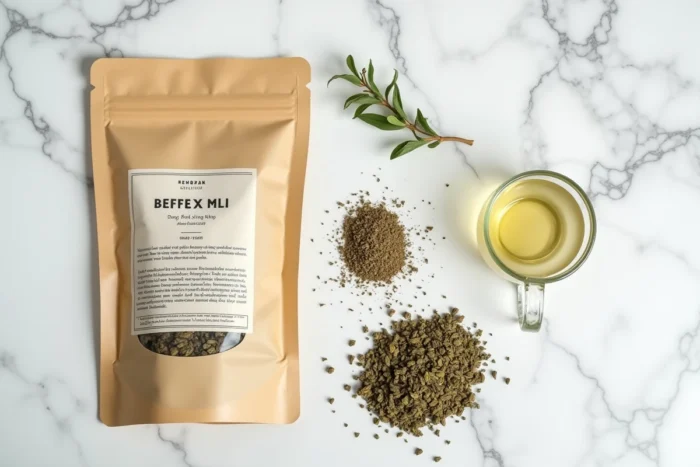
Side effects of Lulutox Tea: the most common field reports
Customer reviews on Trustpilot and Amazon show a mixed picture. Some users report reduced abdominal bloating and increased energy. Others describe far less pleasant effects.
The recurring negative feedback concerns three types of reactions:
- Digestive disorders in the first few days of use (increased bloating, intestinal cramps, loose stools), linked to the combined action of dandelion and ginger on transit.
- Unnoticed mild dehydration, caused by the cumulative diuretic effect of several draining plants in the same infusion. It is often identified by persistent fatigue and headaches.
- Difficulty falling asleep in individuals sensitive to caffeine, as some batches contain traces of green tea or stimulating compounds related to ginseng.
Feedback varies widely depending on profiles, and individual tolerance plays a crucial role. A person with a sensitive digestive system will experience amplified effects compared to someone with stable transit.
Drug interactions and Lulutox: a largely overlooked angle
Ginseng, present in the Lulutox formula, is known to interact with several classes of medications. Anticoagulants, antidiabetics, and certain antidepressants are affected. Ginseng can alter the absorption or effectiveness of these treatments, with potentially serious consequences.
Dandelion, for its part, has a diuretic effect that adds to that of synthetic diuretics. Combining the two unknowingly increases the risk of potassium imbalance, a mineral whose drop causes muscle cramps and heart rhythm disturbances.
The concrete problem: Lulutox Tea is marketed as a wellness product, not as a dietary supplement requiring medical advice. No warning about drug interactions appears on the product page. You buy, you drink, and you discover the interactions afterward.
Who should consult before drinking this detox tea
Pregnant or breastfeeding women, individuals on chronic medication, and those suffering from liver or kidney disorders should always seek medical advice. This is not a theoretical precaution: concentrated doses of ginger can cause uterine contractions, and dandelion can overload already weakened kidneys.

European regulation of detox teas: what Lulutox can and cannot promise
Lulutox Tea falls under European regulations on dietary supplements, not those for medicines. The difference is fundamental: no clinical efficacy proof is required before marketing.
The manufacturer can mention authorized health claims (contribution to metabolism, digestive support) but cannot promise weight loss, liver detoxification, or healing. Lulutox sales pages use carefully calibrated vocabulary to navigate these limits without openly crossing them.
The product’s price, often accompanied by aggressive promotions, also plays a role in perception. A tea sold with permanent promo codes and marketing focused on urgency (“last hours,” “limited stock”) employs conversion techniques unrelated to the product’s quality or safety.
Displayed composition and actual dosages
The ingredient list of Lulutox is accessible, but the precise dosages of each plant per sachet are not always transparently communicated. Without this information, assessing the risk of overdosing on dandelion or ginseng remains impossible for the consumer.
A product made from active plants with unknown exact concentrations does not allow for an informed choice. This is the most problematic aspect of this type of detox tea, far beyond questions of taste or perceived effectiveness on bloating.
Before incorporating Lulutox Tea or any other detox tea into a daily routine, the most reliable approach remains to check compatibility with one’s health status with a professional and to read the composition beyond the packaging.