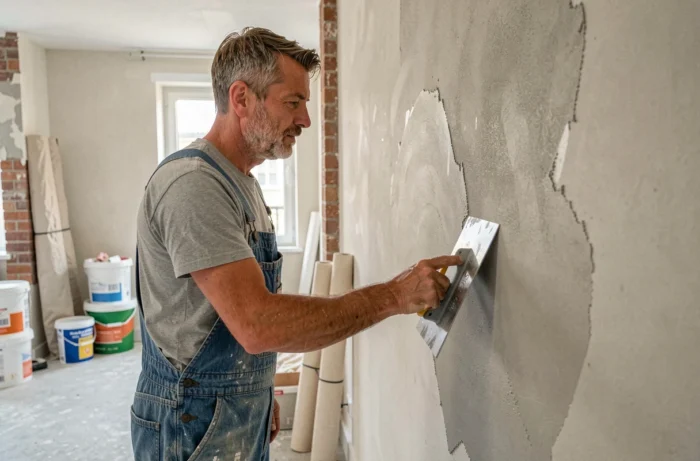
Interior renovation refers to all interventions that modify the structure, coverings, or layout of an existing home. Interior decoration, on the other hand, focuses on the choice of visible materials, colors, and furniture. The two disciplines are increasingly intersecting, particularly because the installation of technical equipment such as air-to-air heat pumps requires rethinking the arrangement of walls and furniture.
Integrating a wall-mounted unit without sacrificing interior decoration
Reversible heating and cooling systems are now at the top of renovation intentions among homeowners, according to Effy data shared by Guiderenovation in August 2026. This shift has a direct consequence on decoration: each wall-mounted unit imposes a location constraint that the decor project must accommodate.
A unit mounted above a headboard or on an accent wall changes the visual composition of the room. To ensure effective air circulation, no tall furniture should block the airflow within fifty centimeters below the unit. This excludes certain wall libraries and requires a reconsideration of storage heights.
The most common solution is to create a casing in plaster or painted medium that integrates the unit into a horizontal band. This band can extend a niche or indirect lighting, transforming the technical constraint into a design element. Among the works proposed by Les Embellies Déco, this type of arrangement combining technique and aesthetics illustrates well the convergence between renovation and decoration.
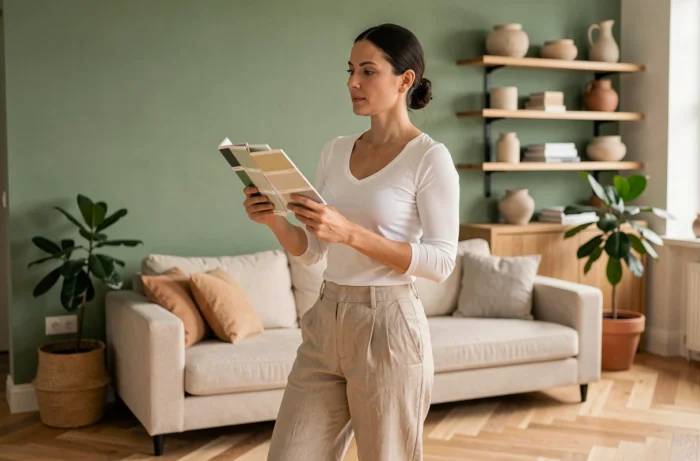
Energy renovation and aids 2026: what changes for your renovation project
Two recent regulatory developments are changing the way an interior renovation project is conceived. As of January 1, 2026, the list of actions funded by national energy renovation aids has been reduced. Since August 17, 2026, new rules also govern eligibility conditions.
The scope of subsidized works directly influences decor choices. When a homeowner finances attic insulation through public aid, the project often requires redoing ceilings and adjacent finishes. The decoration budget must then incorporate these adjustments, or risk ending up with a new ceiling framed by worn walls.
Conversely, some purely aesthetic works (painting, soft flooring, wallpaper) receive no aid. Clearly distinguishing between subsidized items and decorative items allows for better management of the overall budget without unpleasant surprises.
Items to distinguish in the budget
- Insulation works (walls, attics, floors) and heating replacement, potentially eligible for aid depending on current conditions
- Finishing adjustments resulting from these works (plastering, touch-up painting, baseboard installation), rarely covered by aid but technically inseparable from the project
- Pure decoration works (color choices, wallpaper installation, lighting fixtures), entirely at the homeowner’s expense
Natural materials and earthy colors: the decor trend guiding works in 2026
Interior decoration trends for 2026 converge towards a clear axis: natural materials and an earthy color palette. Raw wood, stone, linen, and lime-based plasters are making a comeback in interiors, according to several specialized sources including Inspir-Déco and Le Site Immo.
This return to raw materials is not just a matter of style. It influences the choice of renovation works themselves. Applying lime plaster to a cinder block wall requires specific preparation (bonding coat, drying time between layers) that is very different from a simple acrylic paint. The labor cost is higher, but the durability of the result compensates in the long term.
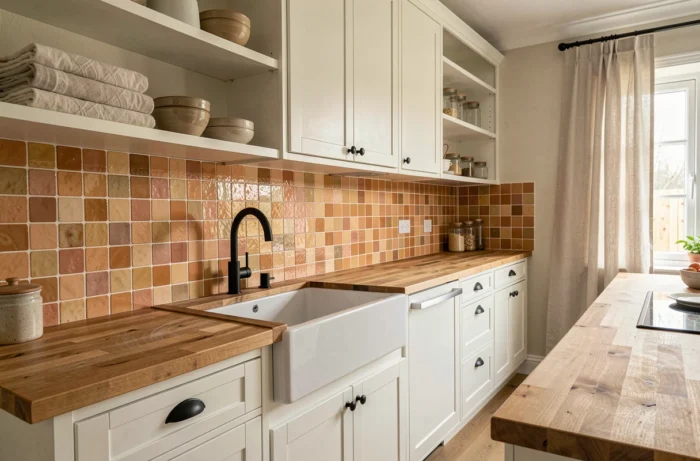
Wood and stone in interior renovation
Solid wood used for wall cladding or kitchen countertops requires treatment suitable for the room. In a bathroom, untreated wood for humid environments deteriorates within months. The choice of species and treatment determines the longevity of the project.
Natural stone (travertine, slate, Burgundy stone) provides a texture that ceramic imitations cannot fully replicate. Its weight requires checking the load-bearing capacity of the support, especially on upper floors. A prior diagnosis of the floor prevents costly structural reinforcements during the project.
Rethinking kitchen and bathroom space during a renovation
The kitchen and bathroom concentrate the most technical interventions in an interior renovation: plumbing, electricity, ventilation, waterproofing. They are also the rooms where decoration has the most impact on daily use.
In the kitchen, the choice between an open plan and a partitioned space depends less on a trend than on the configuration of the networks. Moving a water point more than a meter requires redoing the drainage with a sufficient slope, which can locally raise the floor level. This technical constraint often dictates the final arrangement of the furniture.
In the bathroom, the trend towards Italian-style showers requires an ultra-flat shower tray and waterproofing via a liquid waterproofing system (SEL) under the tiles. A defect at this stage can cause invisible leaks for months. Therefore, bathroom decoration begins with impeccable technical work, well before choosing tiles or faucets.
Ventilation and air quality
Renovating a bathroom or kitchen without checking the VMC is like trapping humidity behind new finishes. Undersized ventilation degrades coverings within a few years. The extraction rate must be adapted to the volume of the room and the number of water points.
The 2026-2027 decor trends, which favor authenticity and porous materials like linen or lime, make this verification even more necessary. These materials absorb ambient humidity: without sufficient air renewal, they become a breeding ground for mold.
The most successful interior renovation and decoration project is one where every aesthetic choice is based on a verified technical foundation. A lime plaster applied to a properly ventilated wall, solid wood flooring treated for the actual use of the room, a unit integrated into a casing designed from the conception phase: it is this articulation between works and decoration that sustainably transforms a home.