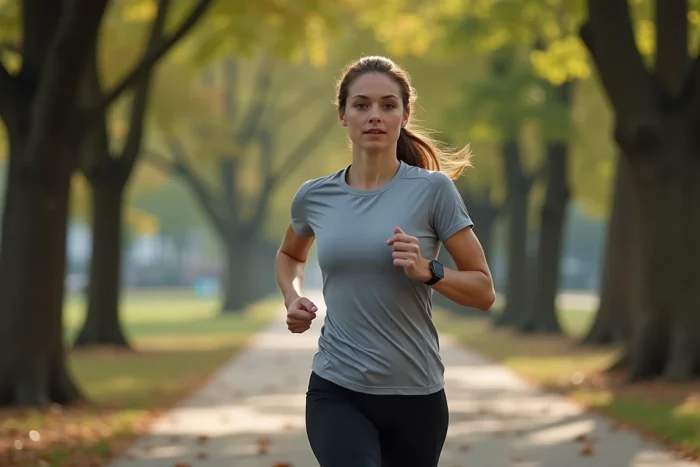
Measuring the effects of sport on health requires going beyond general statements. What physiological parameters actually change with regular practice, and at what volume of physical activity do the benefits become measurable in daily performance?
VO2max, muscle mass, and sleep: what the indicators show
Three markers allow for an objective comparison between an active person and a sedentary person: cardiorespiratory capacity (VO2max), muscle mass, and sleep quality. The table below summarizes the documented differences.
| Indicator | Sedentary Person | Regular Practitioner |
|---|---|---|
| VO2max | Gradual decline starting in the thirties | Maintenance or improvement, correlated with longevity |
| Muscle Mass | Accelerated loss after age 40 (sarcopenia) | Preservation through muscle strengthening, increased bone density |
| Sleep Quality | Longer time to fall asleep, fragmented sleep | Easier to fall asleep, deeper cycles |
| Stress Management | Continuously high cortisol | Hormonal regulation, decreased cortisol post-exercise |
VO2max, in particular, is an indicator of longevity that health professionals are increasingly using. Muscle strengthening, on the other hand, is not limited to an aesthetic goal: it protects the joints and reduces the risk of falls and fractures in the long term.
To delve deeper into the links between physical activity and health, you can visit the Science O Sport website, which details these mechanisms by discipline.
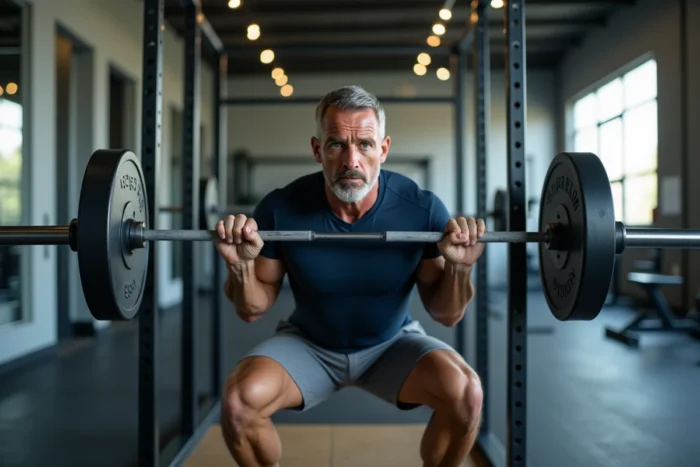
Sport and chronic diseases: risk disparities by type of activity
Competitors often list the benefits of sport without distinguishing what each type of activity actually contributes. Endurance (brisk walking, cycling, swimming) and muscle strengthening do not affect the same pathologies.
Endurance Activities and Cardiovascular Risk
Aerobic exercise improves blood circulation, lowers blood pressure, and strengthens the heart muscle. It is the main lever against cardiovascular diseases and type 2 diabetes. Daily brisk walking is sufficient to activate these mechanisms in previously inactive individuals.
Muscle Strengthening and Metabolic Prevention
Resistance training acts on a different front: it increases the basal metabolism, contributes to weight management, and improves insulin sensitivity. Combining endurance and strengthening covers a broader spectrum of prevention than either of these modalities alone.
- Walking, cycling, or swimming target the heart, lungs, and glycemic regulation.
- Resistance exercises (weights, bands, bodyweight) preserve muscle mass and bone density.
- Mixed activities (team sports, circuit training) engage both pathways simultaneously.
Home Sport in France: a trend changing the regularity of practice
Existing articles on the benefits of sport rarely address the question of the practice location. However, where one exercises directly influences regularity, and thus results.
In 2025, 22% of French people report primarily exercising at home, a three-point increase compared to 2024. This figure reflects a reorganization of habits: online classes, home coaching, personal equipment. Compatibility with professional and family life largely explains this evolution.
This trend has a direct impact on daily performance. A person who does three weekly sessions at home, without travel time or scheduling constraints, can more easily maintain their routine than someone dependent on a gym slot. The flexibility of location reduces the main barrier to regular sports practice: the perceived lack of time.

Mental Health and Stress: Physiological Mechanisms, Not Just Felt Well-Being
The link between sport and morale is often presented vaguely. However, the mechanisms are identifiable.
Physical activity triggers the release of endorphins and serotonin, two neurotransmitters directly involved in mood regulation. The anxiolytic effect of a moderate exercise session lasts several hours after the effort, which concretely alters stress management during the workday.
Sleep, often overlooked in articles about the benefits of sport, is a central link. Regular physical activity, practiced at least a few hours before bedtime, improves the depth of sleep cycles. Better quality sleep translates into increased concentration, better decision-making, and more effective physical recovery.
- Cortisol regulation: physical effort reduces circulating cortisol levels in the hours that follow.
- Neuroplasticity: regular sports practice promotes the creation of new neural connections, particularly in the hippocampus.
- Deep sleep: regular practitioners spend more time in deep slow-wave sleep, the most restorative phase.
Sport-Health Houses: a structured framework for resuming physical activity
In recent years, the Sport-Health Houses initiative has organized the bridge between the medical world and sports practice. These structures welcome individuals who are distanced from physical activity, whether they suffer from chronic diseases or have simply been sedentary for a long time.
The interest of this network is twofold. The doctor prescribes or recommends an appropriate activity, and the Sport-Health House offers supervision by trained professionals. This pathway reduces the risk of injury upon resuming and increases the chances of maintaining practice over time.
The fact that this sport-health aspect is now systematically integrated into French public policies shows that sports practice is no longer treated as a mere leisure activity, but as a genuine prevention tool.
Physical activity simultaneously affects the heart, muscles, sleep, and mental health. The available data all point in the same direction: it is regularity, much more than intensity, that determines the extent of health and daily performance benefits.